

The Ultimate Local Marketing Checklist for Small Businesses
Use this practical checklist to strengthen your website, Google Business Profile, reviews, local SEO, content, email follow-up, social presence, referral network, and performance tracking without scattering your budget across disconnected marketing tactics.
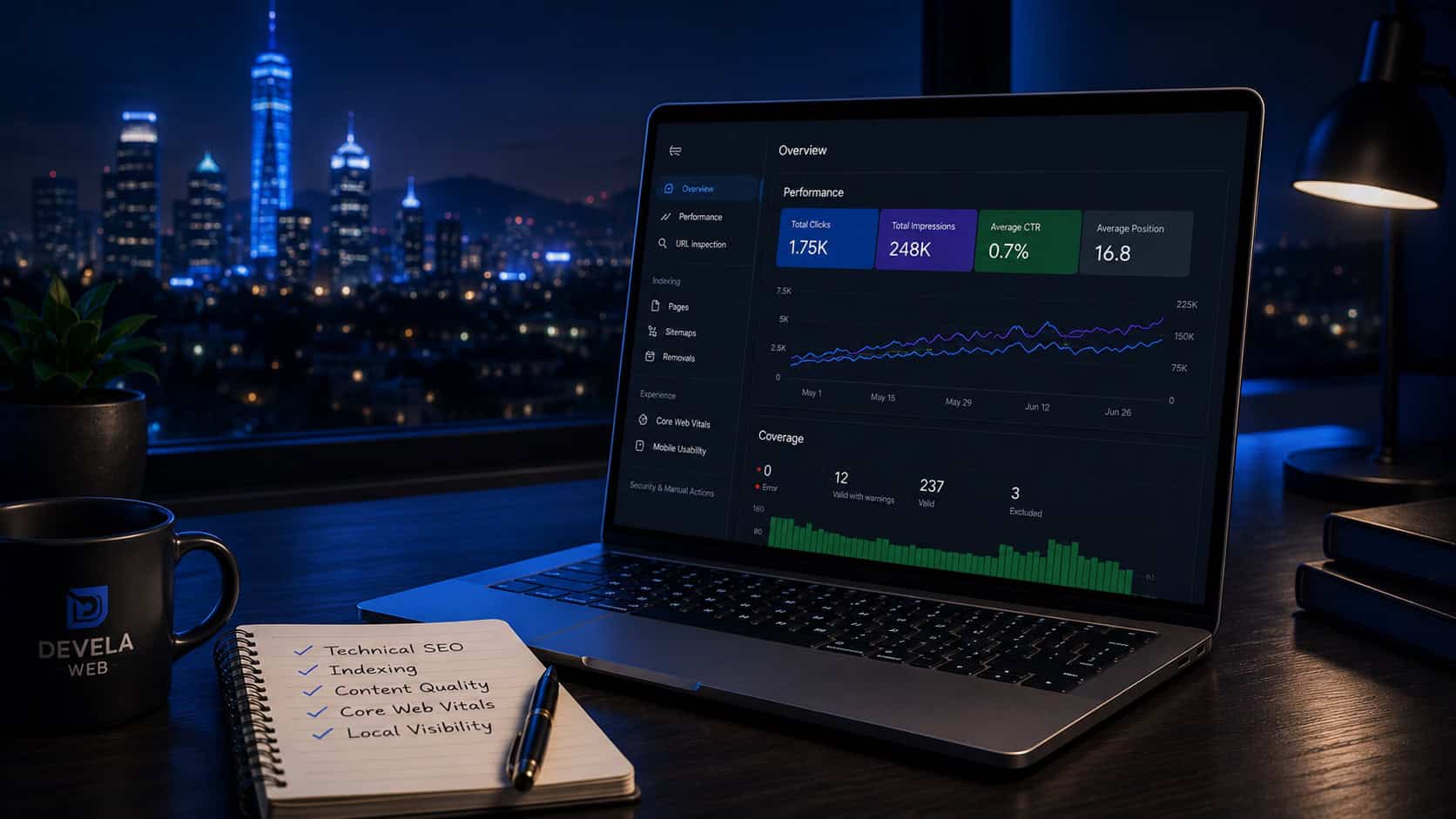
A strong local marketing plan starts with a clear offer, professional website, complete Google Business Profile, consistent business information, customer reviews, useful local content, simple lead follow-up, referral relationships, and reliable tracking. Complete the fundamentals before adding more channels or spending heavily on ads.
Is This Checklist Right for Your Business?
This guide is for Huntsville and North Alabama small-business owners who need a practical marketing system rather than a collection of unrelated tactics. It is especially useful for businesses that depend on local calls, estimates, appointments, store visits, referrals, or repeat customers.
What You’ll Learn
Clarify Your Market Position
Define who you serve, what you offer, and why customers should choose your business.
Strengthen Local Visibility
Improve your website, Business Profile, reviews, citations, and local search signals.
Build Trust Faster
Use proof, clear business information, reviews, and professional presentation.
Improve Lead Follow-Up
Create a simple process for calls, forms, estimates, appointments, and missed opportunities.
Use Content Strategically
Publish resources that answer customer questions and support service pages.
Measure What Produces Customers
Track qualified calls, forms, bookings, estimates, sales, and repeat business.
Build the Local Marketing Strategy Foundation
Effective local marketing begins with a clear market, offer, and customer—not with selecting a social platform or buying advertising.
Define the services or products you most want to sell, the customers you are equipped to serve, the geographic area you genuinely cover, and the business outcome your marketing should produce.
Strategy foundation checklist
Trying to market every service to every customer usually weakens the message. Begin with the most valuable and realistic growth priority, then expand after the first system is working.
Before adding a marketing channel, explain what role it will play, which customer it should reach, and how success will be measured.
Improve Your Website Before Driving More Traffic
Your website should clearly explain what the business offers, who it serves, why it is trustworthy, and what visitors should do next.
Website marketing checklist
- Use a clear headline and value proposition.
- Create dedicated pages for important services.
- Make phone, form, booking, or estimate actions easy to find.
- Add reviews, project examples, credentials, and proof.
- Ensure the site works well on mobile devices.
- Test forms and email delivery regularly.
- Improve loading speed and remove unnecessary friction.
Sending more traffic to a confusing or unreliable website increases wasted opportunities. Strengthen the conversion path before investing heavily in promotion.
Build a Website Around Visibility and Leads
Devela Web creates premium business websites with clear messaging, local relevance, mobile usability, SEO foundations, and conversion-focused page structure.
Explore Huntsville Web DesignStrengthen Your Local SEO Foundation
Local SEO helps nearby customers find the business when they search for relevant services or products in Google Search and Google Maps.
Local SEO checklist
Build pages around real customer needs rather than repeating city names. Each service and location page should provide distinct, useful information.
Review what Local SEO is and how it works before expanding into more advanced tactics.
Optimize Your Google Business Profile
Your Google Business Profile may be one of the first places a local customer sees your business. Keep it accurate, complete, and active.
Business Profile checklist
- Verify ownership and account access.
- Select the most accurate primary category.
- Add relevant secondary categories and services.
- Maintain current hours, phone, website, and location details.
- Upload authentic photos of the team, location, products, or work.
- Respond professionally to reviews.
- Publish useful updates when there is something relevant to share.
Avoid keyword-stuffing the business name, creating duplicate profiles, or listing locations that are not eligible.
Build Reviews and Reputation Consistently
Reviews influence trust and can support local visibility. The best system asks real customers for honest feedback after a completed experience.
Use a direct review link, a short request template, one reasonable follow-up, and a staff process that invites honest feedback without incentives or review gating.
Respond calmly to negative reviews and use recurring complaints as operational feedback. Read the complete guide on how to get more Google reviews .
Create Useful Local Content
Content should answer questions customers ask before they call, visit, book, or purchase. Useful articles can attract search traffic while supporting service pages and sales conversations.
Local content ideas
- Pricing and cost guides
- Service comparisons
- Common mistakes and warning signs
- Local process or permit explanations
- Seasonal advice
- Project examples and case studies
- Frequently asked customer questions
Link each article to a relevant service page and give the reader a clear next step. Avoid publishing content only to increase word count.
Build Referral and Community Partnerships
Local relationships can produce qualified leads, trusted mentions, backlinks, and stronger community visibility.
Referral-building opportunities
- Complementary local businesses
- Professional associations
- Chambers and business groups
- Property managers, contractors, or vendors
- Community events and organizations
- Existing customers and former clients
Build referral relationships around genuine value. Clearly explain which customers are a good fit, how introductions should be handled, and what each business can responsibly provide.
Improve Lead Follow-Up
Marketing fails when calls, forms, messages, and estimates are not answered consistently. A modest number of well-managed leads can outperform a larger volume that receives slow or unclear follow-up.
Lead follow-up checklist
Better follow-up is often the fastest way to improve marketing results without increasing advertising spend.
Use Paid Marketing Carefully
Paid search, social advertising, sponsorships, and promoted listings can generate faster visibility, but they should support a clear offer and reliable conversion path.
Before spending on ads
- Confirm the website and landing page work properly.
- Define the audience, location, offer, and action.
- Set conversion tracking before launch.
- Use a realistic test budget and time period.
- Review lead quality, not only clicks.
- Stop or revise campaigns that do not produce useful outcomes.
Do not use paid traffic to compensate for a confusing offer, broken form, slow website, or weak follow-up process.
Track Marketing Performance
Measure the customer actions that matter to the business. Traffic and reach are useful, but they do not show whether marketing is producing qualified opportunities.
Useful local marketing measurements
Record lead source whenever possible. Review results monthly and reallocate effort toward channels that produce the right customers, not merely the largest audience.
A Practical Monthly Local Marketing Plan
A repeatable routine is more valuable than occasional bursts of activity. Use the plan below as a starting point and adapt it to your business capacity.
- Review website forms, calls to action, and technical issues.
- Update Google Business Profile hours, photos, and services.
- Request reviews from eligible recent customers.
- Publish or improve one useful service or educational page.
- Share relevant content through priority social and email channels.
- Contact one referral or community partner.
- Review open leads, estimates, proposals, and missed follow-up.
- Measure qualified calls, forms, bookings, sales, and lead sources.
- Choose the next month’s highest-priority improvement.
Connect Your Website, SEO, and Local Visibility
Devela Web helps Huntsville businesses build premium websites, stronger Local SEO, optimized Google Business Profiles, and clearer conversion paths.
Request a ProposalCommon Local Marketing Questions
These are common questions small-business owners ask when organizing their local marketing priorities.
What is local marketing?
Local marketing promotes a business to customers within a specific geographic market. It can include websites, Local SEO, Google Business Profile, reviews, email, social media, referrals, events, print, and paid advertising.
What should a small business market first?
Start with a clear offer, professional website, accurate Business Profile, strong contact path, review process, and reliable lead follow-up. Add more channels after the foundation is working.
How much should a small business spend on marketing?
There is no universal amount. Budget depends on revenue, margins, growth goals, competition, customer value, and operational capacity. Begin with a sustainable amount tied to measurable business goals.
Is Local SEO better than social media?
They serve different purposes. Local SEO reaches people actively searching, while social media can build awareness, relationships, and repeat engagement. The right mix depends on customer behavior.
Do local businesses need email marketing?
Email can be valuable for repeat business, reminders, education, referrals, seasonal services, and customer follow-up. Use permission- based lists and relevant communication.
How long does local marketing take to work?
Paid campaigns may generate activity quickly, while SEO, content, reviews, referrals, and reputation generally build over months. Results depend on competition, offer quality, consistency, and follow-up.
Which local marketing metrics matter most?
Track qualified calls, forms, bookings, estimates, proposals, sales, repeat customers, referrals, and lead source. Use traffic and reach as supporting context.


Devela Web Editorial Team
The Devela Web Editorial Team creates practical, research-based resources covering Local SEO, local business marketing, Google Business Profile optimization, web design, WordPress, website performance, and conversion-focused digital strategy for Huntsville and North Alabama businesses.
- Local Business Marketing Strategy
- Local SEO and Google Visibility
- Conversion-Focused Web Design
- SEO-Focused Website Planning
Use Social Media and Email Wisely
A small business does not need to be equally active on every social platform. Choose the channels your customers use and that your team can maintain consistently.
Social and email checklist
Email is especially valuable for repeat business, referrals, service reminders, project follow-up, and educational updates because the business controls the audience relationship.